Quick Answer
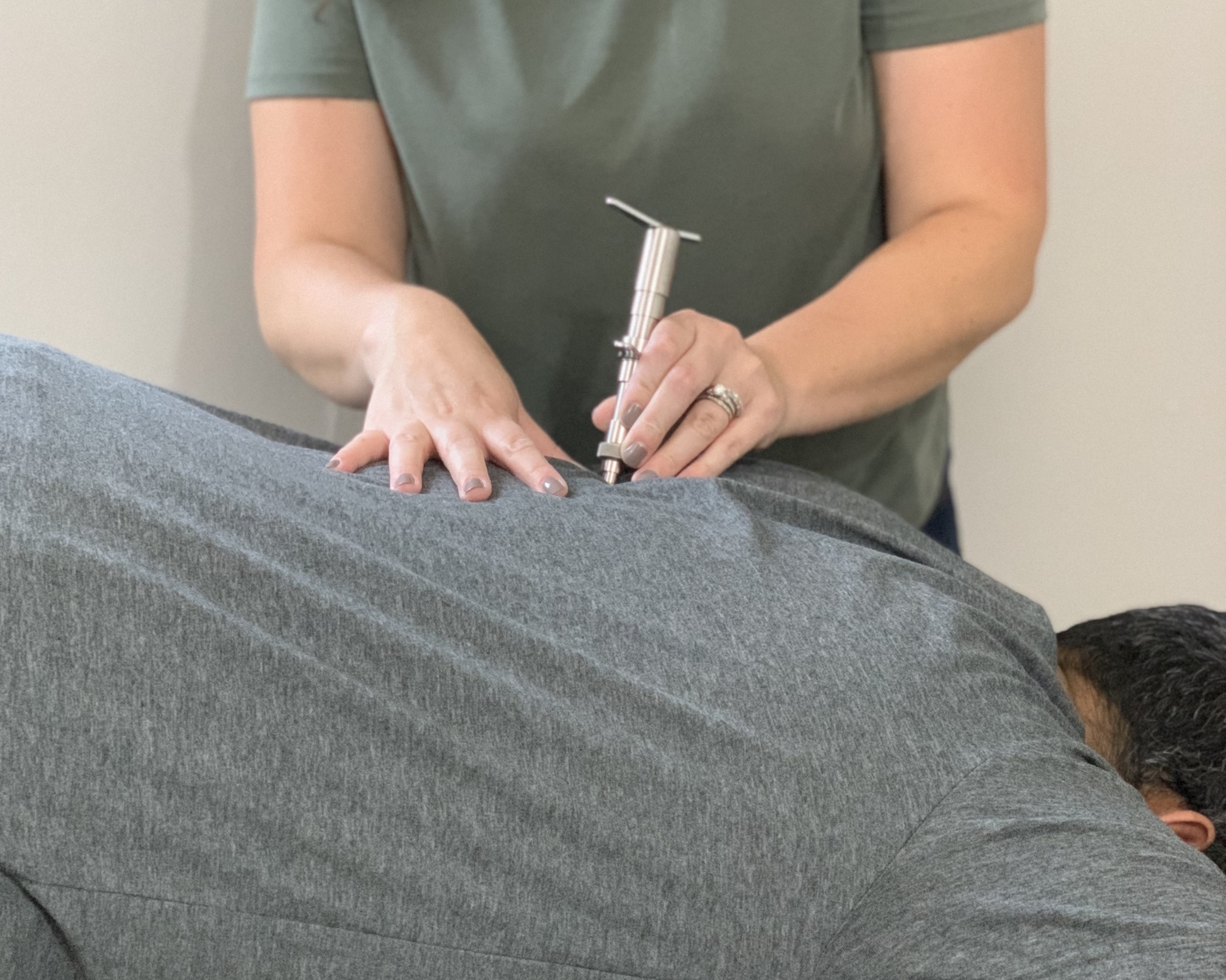
Torque Release Technique is a chiropractic method that uses a small handheld instrument called the Integrator to deliver a brief, targeted impulse at a specific contact point. The instrument allows us to adjust without relying on the twisting, popping, or cracking many people associate with chiropractic care. We decide where and whether to adjust after reviewing your history and examination findings. TRT may appeal to someone who prefers a gentle approach, but suitability and expected benefits depend on the individual.
Who This Is For
This guide is for people in Katy and surrounding communities who are curious about chiropractic care, especially busy professionals, desk workers, active adults, and people who have put off an appointment because they are uncomfortable with traditional adjustment methods. It is also for current patients who want to better understand the tool and reasoning behind their care.
What Is Torque Release Technique?
TRT is a system for assessing and adjusting the spine. The best-known part is the Integrator, a handheld instrument that delivers a quick, controlled impulse. Its settings allow the chiropractor to select aspects of the force and direction of the adjustment, including a small rotational component called torque. “Torque” describes how the instrument delivers that impulse; it does not mean we twist your body.
The tool is only one part of the visit. We also consider your symptoms, health history, movement, neurological reflex analysis, other examination findings, and goals. Two people with similar back or neck complaints may have different contributing factors, so their recommendations may differ.
How Does an Integrator Adjustment Work?
After using the assessment, including neurological reflex analysis, to identify an adjustment point, Dr. Carmen places the instrument against the area and applies contact pressure. The Integrator releases a short impulse when its release threshold is reached. You may feel a light, quick tap. There is no need to brace for a large movement or to hear a pop for an adjustment to have been delivered.
The instrument helps us deliver a specific input consistently, but precision of delivery does not guarantee a particular result. We look at how you are doing over time and reassess when appropriate. If your concerns call for another type of care, we discuss that with you.
Why We Use a Neurologically Based Approach
Your spine, joints, muscles, and nervous system work together as you move through the day. Pain and stiffness can involve several factors, including movement habits, physical demands, prior injuries, and emotional or cognitive demands. A stressful season at work or home can affect sleep, muscle tension, and how you experience discomfort; it is part of the picture we want to understand.
The neurological part is also built into the assessment. We use neurological reflex analysis to look for areas where your body appears to be having difficulty adapting—what we sometimes describe as feeling “stuck”—and to help determine where an adjustment may be appropriate. We consider those findings alongside your history, symptoms, and other examination results, rather than assuming one reflex finding explains everything. TRT then gives us a way to deliver a specific adjustment at the point selected. We explain what we find and reassess how you respond over time.
Who May Prefer TRT?
TRT may be worth discussing if you:
- Want chiropractic care without being twisted into an uncomfortable position.
- Feel anxious about the popping or cracking associated with some manual adjustments.
- Prefer a brief, focused instrument-assisted adjustment.
- Have recurring neck or back discomfort that deserves a fuller evaluation.
- Want a care plan connected to your work, exercise, travel, or everyday activities.
A gentle technique is not automatically the right choice for everyone. Pregnancy, age, prior surgery, osteoporosis, new injuries, and other health considerations may affect how care is adapted or whether a referral is appropriate. We review those details before making recommendations.
What Happens at Aware Chiropractic?
Your first visit typically includes a discussion of your history, symptoms, daily demands, and goals, followed by an examination. We determine whether digital X-rays are clinically appropriate; they are not necessary for every patient. Treatment on the first visit may be possible when appropriate, but it is not guaranteed.
We then explain our findings and recommendations in plain language. Your plan may include chiropractic adjustments and, when indicated, other services or home guidance. We reassess your response and adjust the plan as needed. There is no fixed schedule that fits everyone.
Frequently Asked Questions
Does TRT involve twisting or cracking?
At Aware, we use the Integrator without relying on twisting, popping, or cracking. You may feel a quick tap where the instrument contacts you.
Is the Integrator the same as an Activator?
They are different handheld chiropractic instruments and are associated with different technique systems. Both can be used for instrument-assisted adjustments, but their designs and protocols are not identical.
Is TRT appropriate if I have a disc issue or sciatica?
There can be several reasons someone experiences symptoms like that, and we wouldn’t want to guess about the cause without examining you. We review your symptoms and findings first, then discuss whether chiropractic care, another service, or referral is appropriate.
How many visits will I need?
That depends on your findings, how long the concern has been present, your goals, and your response to care. We do not assign the same number of visits to everyone.
Will I receive an adjustment at my first appointment?
Possibly, when it is appropriate after your consultation and examination. Some patients need additional information or a follow-up discussion of findings first.
Curious Whether This Approach Fits You?
You should feel comfortable asking how your care works. If neck or back discomfort is limiting your work, workouts, or time with the people you love—and you have been hesitant about traditional adjustments—we would be glad to talk through your concerns.
Schedule your comprehensive assessment with Aware Chiropractic in Katy, TX. We will learn what matters to you, examine the possible contributing factors, and explain your options before recommending a plan.
Book Now